
In the middle of a recent busy working weekend, I suddenly realized I had no idea where my children were.
Now that’s not really a big deal because my boys are 23, 18 and 15, but it struck me as rare. Even the two older ones who are off at college are usually where I think they should be.
Like everything these days, an app on my phone prevented me from having an unanswerable question. I simply opened Life 360 and saw that Barron was in Asheville, N.C.; Harris was in Jackson, Miss.; and Carlton was at rehearsals for an upcoming production of “The Addams Family Musical” at Smoke Rise Academy of Arts.
Mystery solved.
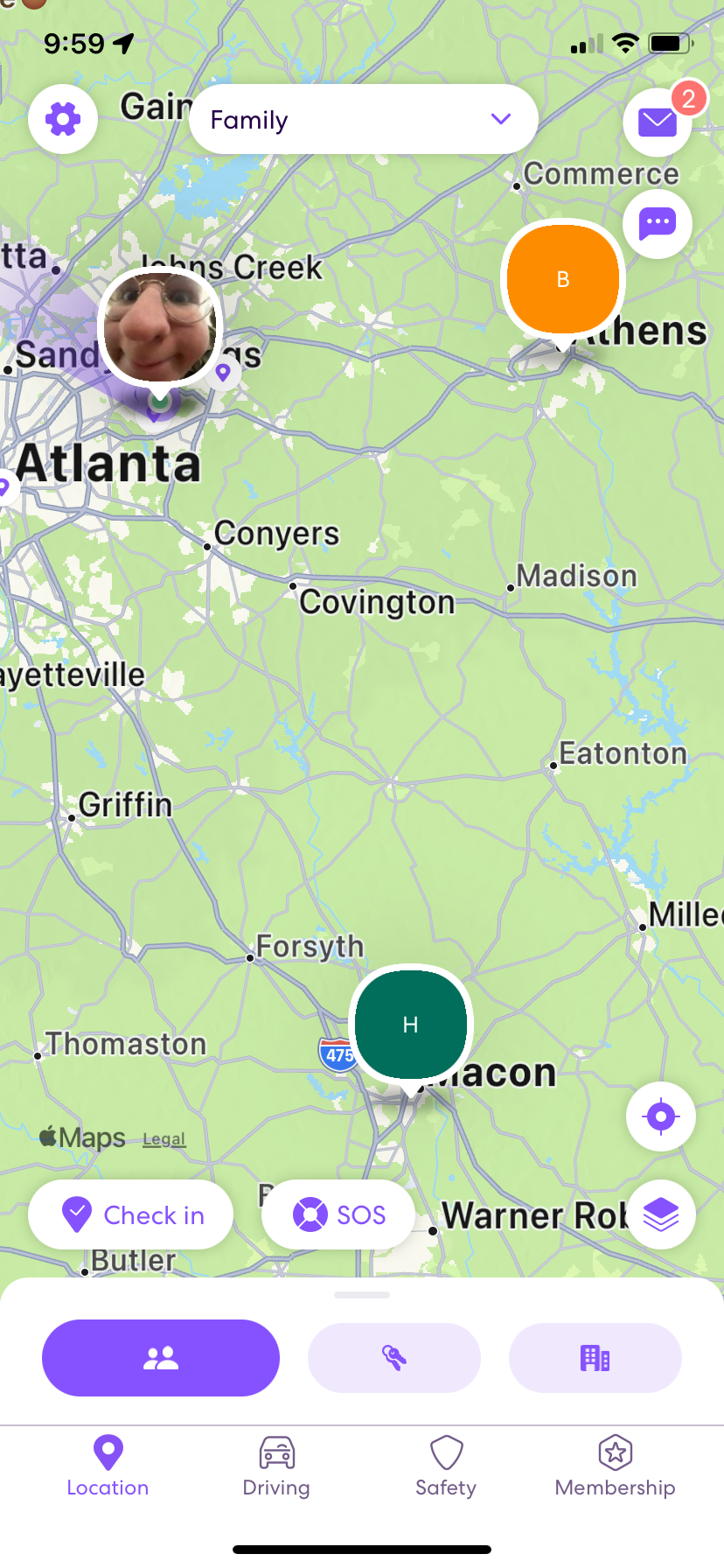
My curiosity satisfied, I went on with my day, unable to process until later what the older two were up to not in their college towns. As it turned out Barron was at an arts and crafts festival and Harris was litigating at a regional collegiate mock trial competition.
This felt significant. Our family has turned a page. Without even realizing it, we have moved from that time of life where I know where my children are at all times to turning them loose on the world with agency and mobility. They could be anywhere, and if I’m not paying attention, I could be missing out.
There. That’s it. That’s the root emotion. FOMO. Fear of missing out. My boys have lives of their own, and if I don’t make an effort to stay connected, I will miss out.
Much has been written about the “good old days,” when parents would turn their kids out at sunrise on a Saturday and not expect them back home until supper time. There was a raft of media stories about the nostalgia of childhood freedom when the bike-riding pre-teen heroes of “Stranger Things” put out ‘80s vibes a few years back.
Safety concerns and a generational paranoia about kidnapping prompted parents to always know where their children were. Then came the smart phone and its location finding apps. Kids have to be very technologically savvy for you not to know where they are. Disabling location settings won’t cut it, because the second you disappear from the radar, you will be getting texted or called.
Clearly I am not obsessed with my adult children’ locations, but it is comforting to see where they are or where they have been. It helps me converse with them later. I look forward to hearing about the festival and mock trial from their recent adventures, though I was informed via text that Harris’s Mercer team defeated the team from my alma mater, Troy University. That felt more like gloating than an actual update.
I am a 53 year-old grown up person, and my mom still wants to know my whereabouts. I set up a Life 360 group with her and my brother one Christmas to help everybody know when we would be arriving at their house in Central Florida. Since then, Mom has been able to keep up with us and our wanderings.
When I call home each Monday night, she’s remarkably informed about my activities, if not sometimes a little off because the locations can be inexact. It’s hilarious to hear what she’s cooked up in her imagination as to why I’m at The Oceanaire Room on Peachtree Street in Midtown when I was actually at Jackson Spalding public relations agency next door.
Dad thinks she’s obsessed, but I think it’s sweet. I tend to go to the same places all the time at predictable intervals. Because my brothers are in ministry, they often have to visit hospitals to check on parishioners. You can imagine the worries that can set off in a mother.
I’m not ready to proclaim all such location tracking software evil. I am very aware of its potential nefarious applications. My use of such technology and what it says about my stage of life is of more interest to me.
My little boys are growing up, and I’m seeing in real time the places they’ll go.
 New South Essays